
Originally published on September 17, 2016 | Last updated on July 25, 2025
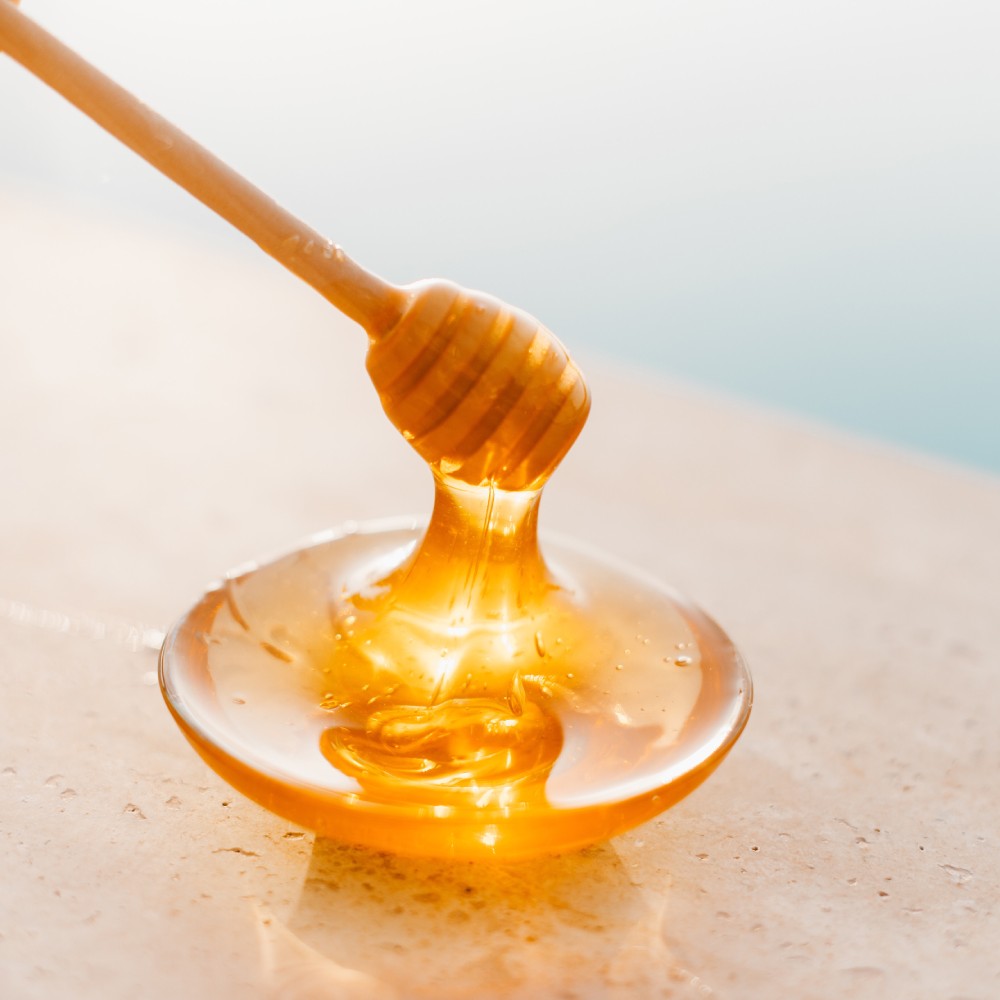 Honey – the sweet golden gift from our bee friends – not only tastes good, but is very beneficial to our health. It’s been proven to help a number of different health issues, from allergies and coughs to wounds and burns. Want to know more about the health benefits of honey? Here are seven reasons why everyone should include it in their diet:
1. Boosts Your Energy
Honey is an excellent source of simple sugars and carbohydrates. Unlike sweeteners found in many drinks and snacks, it contains only natural, unprocessed sugar. This makes it a more natural and healthier option for boosting your energy levels compared to artificial sweeteners or refined sugar. The simple sugars in honey, including fructose and glucose, are easily absorbed by the body and can provide a quick source of energy when you need it.
2. Helps You Sleep
As it contains soothing properties, honey can help you fall asleep quicker at night. This is because it contains several amino acids that get converted into melatonin, a hormone that regulates our sleep-wake cycles. Melatonin is produced naturally by the body and helps to regulate our sleep-wake cycle, but its production can be disrupted by factors such as stress, caffeine, and light exposure. Consuming honey before bedtime may help to boost melatonin levels and improve sleep quality.
3. Anti-bacterial and Anti-fungal
Honey is known for its antimicrobial properties, which means it is effective at killing or inhibiting the growth of certain bacteria and fungi. This makes it a useful natural alternative to antibiotics and antifungal medications in some cases for the treatment of infections. In addition to its antibacterial and antifungal properties, honey has also been shown to have antiviral activity. Some studies have found that certain types of honey, such as manuka honey, can inhibit the growth of certain viruses. However, more research is needed to fully understand the mechanisms behind this effect and to determine the potential of honey as an antiviral agent.
4. Reduces Your Allergies
As it contains small amounts of pollen, honey can be useful in minimising allergies. If you regularly use raw, local honey, your body will begin to produce antibodies to the pollen. This results in a reduction of your susceptibility to environmental allergies. The idea behind this is that by consuming small amounts of pollen in your diet, your body becomes accustomed to it and is less likely to react to it when you are exposed to it in the environment. This is known as the “hygiene hypothesis,” which suggests that our immune systems may be less able to fight off infections and allergies due to the lack of exposure to certain microorganisms and allergens in our modern, sanitised environments.
5. Helps Regulate Blood Sugar
Honey contains simple sugars that are not the same as white sugar or artificial sweeteners. Its fructose and glucose actually help stabilise blood sugar levels. This may make it a more suitable option for people with diabetes or at risk of developing the condition, as it does not cause the rapid spikes in blood sugar that can occur with other types of sugar. However, it is important to note that honey still contains calories and should be consumed in moderation as part of a balanced diet.
6. Heals Wounds and Burns
Due to the fact that it’s a natural antibiotic that can be used both internally and externally, honey can be used to treat wounds and burns. Studies have shown it to be incredibly effective because of the drying effect it gives and its anti-bacterial nature. Honey has been used as a wound dressing for centuries, and modern research has confirmed its effectiveness in promoting wound healing and preventing infection. The antibacterial properties of honey help to kill bacteria that can cause infection, while the high sugar content helps to reduce moisture in the wound and create an environment that is inhospitable for bacteria to grow. Additionally, honey has been shown to have anti-inflammatory effects, which can help to reduce swelling and pain in the affected area.
7. Cough Remedy
The next time you develop a cough, why not try taking two teaspoons of honey? Its thick consistency helps soothe the throat while its sweet taste is thought to trigger nerve endings that protect the throat from constant coughing. Honey has been used as a traditional cough remedy for centuries, and some studies have found it to be as effective as over-the-counter cough medications in reducing the severity and frequency of coughs.
Conclusion
In conclusion, honey is a natural sweetener with a variety of potential health benefits. Its antibacterial and antiviral properties make it a useful natural alternative to some medications, and it may also have a role in wound healing and skin care. Additionally, honey may have some internal health benefits, such as improving digestive problems, reducing the risk of certain types of cancer, and promoting heart health and blood sugar control. To get the most out of honey, choose high-quality, raw, unfiltered varieties and incorporate it into your diet in a variety of ways.
One thing to keep in mind is that honey is a source of calories and sugar, so it is important to consume it in moderation as part of a balanced diet. If you are pregnant, breastfeeding, or have a compromised immune system, it is important to talk to your healthcare provider before adding honey to your diet, as it may contain bacteria that can be harmful to some people.
Today, honey is still revered for its unique properties and is enjoyed by people all over the world as a natural sweetener and a source of health benefits. So next time you reach for the honey jar, remember all the amazing things this sweet golden substance can do for your body and your health.
Do you incorporate honey into your diet? Have you found this natural sweetener to be beneficial for your health? Let me know your thoughts in the comments section!
Love, Telina
Did you enjoy reading this blog post? Pin it or share this post with others!

I love honey in beauty products, but I don’t eat it because I’m allergic :/
Laura
[…] on this blog, I’ve written about the health benefits of honey. Today, I’m going to be discussing the different ways you can use this sweet golden liquid in […]